Yearning for Yesteryear


Yearning for Yesteryear / Heimweh nach gestern
#1 on Zeit's best non-fiction books list
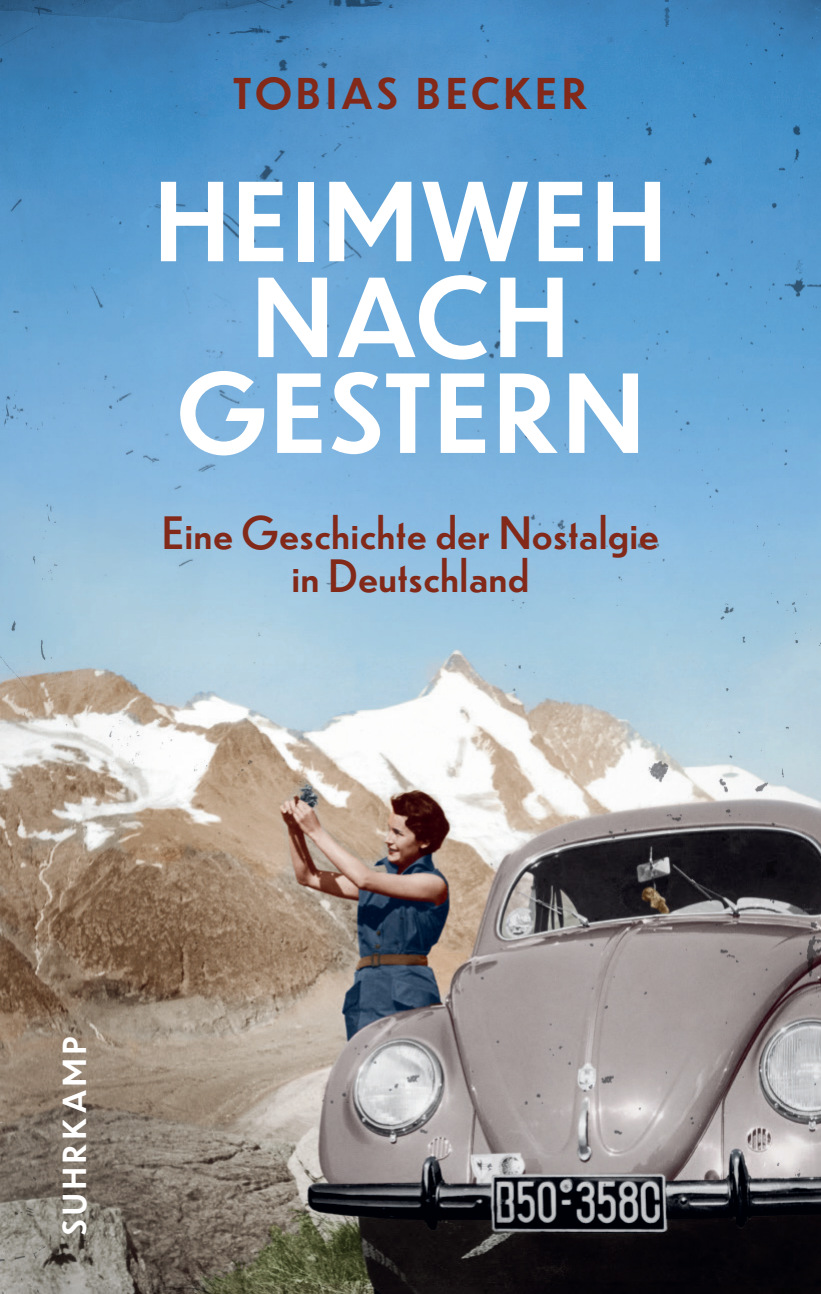
Ah, the good old days. Fashion, music, economic growth – everything was supposedly better back in the day. The yearning for a better yesterday is one of the most enduring traits of contemporary society. Even politicians are accused of hunting for votes with nostalgia. But nostalgia is neither as new nor as bad as its reputation would suggest.
Historian Tobias Becker tells the story of a divided and reunited Germany through its relationship to the past. How the youth of the 1960s...
Historian Tobias Becker tells the story of a divided and reunited Germany through its relationship to the past. How the youth of the 1960s...
Read more
Ah, the good old days. Fashion, music, economic growth – everything was supposedly better back in the day. The yearning for a better yesterday is one of the most enduring traits of contemporary society. Even politicians are accused of hunting for votes with nostalgia. But nostalgia is neither as new nor as bad as its reputation would suggest.
Historian Tobias Becker tells the story of a divided and reunited Germany through its relationship to the past. How the youth of the 1960s rediscovered the »Golden Twenties« and a decade later the rock’n’roll of the 1950s – and how at the same time, the Nazi past returned. Longing for prewar consumer products rather than reckoning with the recent past. And while up until 1990, nostalgia was viewed on both sides of the Iron Curtain as a Western-capitalist phenomenon, afterwards, it seemed to exist exclusively in the East. But why do Germany dictionaries include the word Ostalgie, a nostalgia for East Germany, but there is supposedly no such thing as Westalgie?
Becker uses nostalgia as a key to understanding German society. Because the concept reveals more about the people who use it than it does about those it is applied to. Whether it is retro trends in pop culture or the history policies of populist parties, a glance at yesteryear shows us who we are today – or at least who we want to be.
Historian Tobias Becker tells the story of a divided and reunited Germany through its relationship to the past. How the youth of the 1960s rediscovered the »Golden Twenties« and a decade later the rock’n’roll of the 1950s – and how at the same time, the Nazi past returned. Longing for prewar consumer products rather than reckoning with the recent past. And while up until 1990, nostalgia was viewed on both sides of the Iron Curtain as a Western-capitalist phenomenon, afterwards, it seemed to exist exclusively in the East. But why do Germany dictionaries include the word Ostalgie, a nostalgia for East Germany, but there is supposedly no such thing as Westalgie?
Becker uses nostalgia as a key to understanding German society. Because the concept reveals more about the people who use it than it does about those it is applied to. Whether it is retro trends in pop culture or the history policies of populist parties, a glance at yesteryear shows us who we are today – or at least who we want to be.
2026, 319 pages